
You’ll get immediate, reliable personal protection from topical repellents (DEET, picaridin, oil of lemon eucalyptus) when applied per label mosquito repellent spray, while traps can lower local mosquito numbers over weeks if matched to species, placed and maintained correctly. Traps need power, lures and weekly care and won’t fully replace repellents for bite prevention. For yard-level reduction use traps with source reduction and timed deployment; keep using repellents during peak activity to stay protected — more practical details follow.
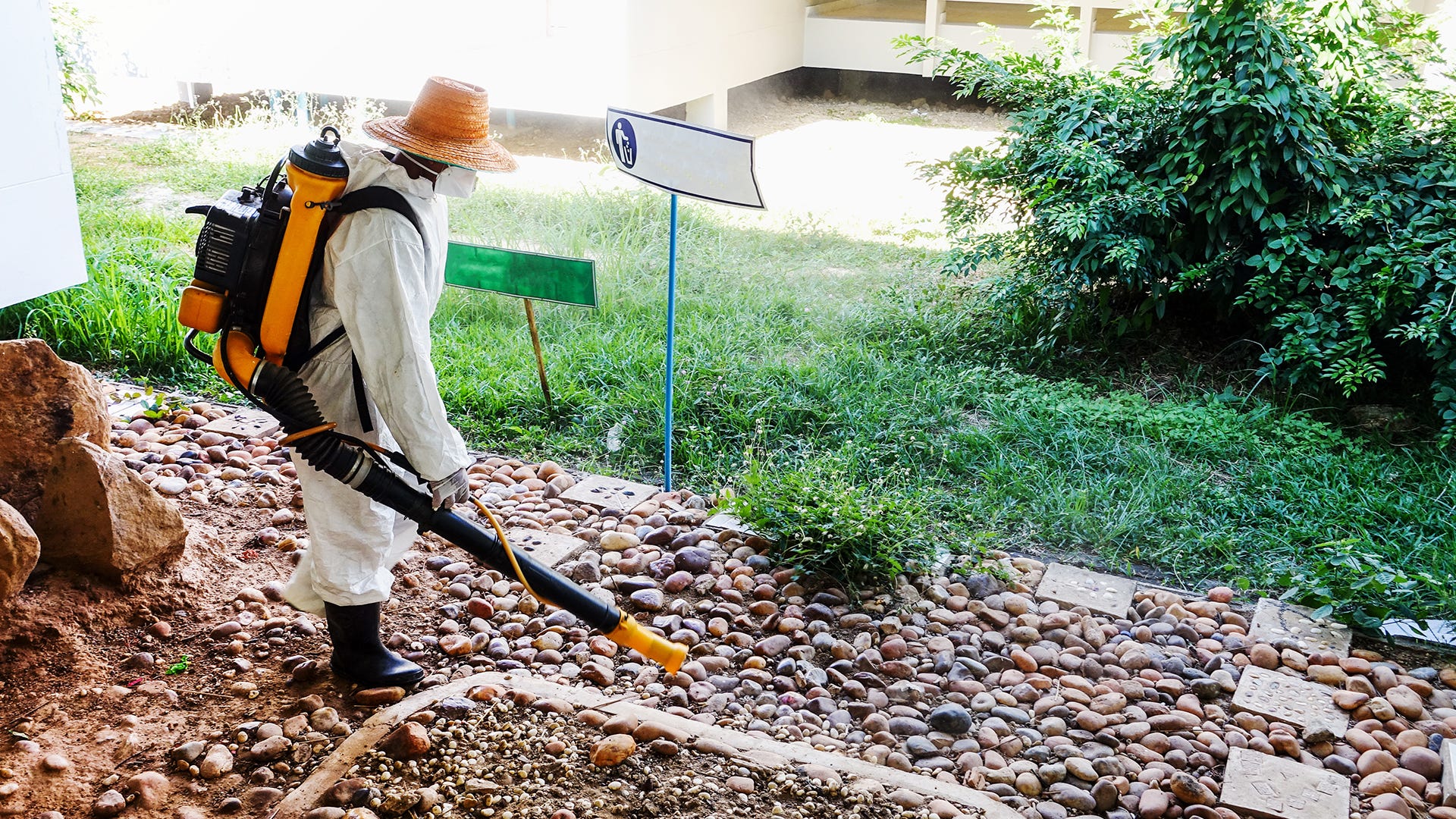
How Mosquito Traps Work and When They Help
When you’re deciding whether a mosquito trap will help, focus on how it targets mosquito behavior: most traps lure insects with CO2, heat, moisture and/or chemical attractants, then capture or kill them with fans, sticky surfaces or electrocution https://igreenasia.com/. You’ll assess where traps work best: outdoors near flight paths or away from larval habitats to avoid concentrating mosquitoes. Choose designs that match target species; attractant design matters because Aedes and Culex respond differently to scent blends and timing. Traps reduce local nuisance and can lower biting rates when deployed strategically and maintained regularly, but they’re not a stand-alone solution for disease control. You’ll prioritize placement, servicing, and data-driven evaluation to keep freedom of outdoor movement while minimizing risk.
Types of Repellents and How to Use Them Safely
You should choose repellents based on proven active ingredients—DEET, picaridin, or oil of lemon eucalyptus—and follow label directions for concentration and reapplication to get reliable protection. Know that many natural options work for shorter periods and require more frequent use or combination with other barriers. Keep child- and pet-specific guidance in mind: use age-appropriate formulations, avoid applying sprays directly to faces or hands, and store products out of reach.
Chemical Repellents: Proper Application
Although chemical repellents vary in active ingredients and formulations, they all work best when you apply them according to label directions and the exposure risk you’re facing. You should follow proper application: read concentration, limit treated skin, and avoid eyes or broken skin. Do a brief skin patching test on a small area if you’ve never used the product, watching for irritation for 24 hours. Use coverage assessment—apply evenly to exposed areas and thin layers on clothing per label—to make certain no gaps. Mind reapplication timing: reapply only as recommended, more often in sweat or after towel drying. For children, follow age limits and caregiver application guidance. Store products safely and dispose of containers per instructions.
Natural Repellents: Effectiveness Limits
Because many people prefer “natural” options, it’s important to be clear about what they can—and can’t—do: plant-based oils (like citronella, lemon eucalyptus, and peppermint), wearable devices emitting ultrasonic sounds, and consumer “organic” sprays can provide short-term, modest protection in low-risk settings, but they generally don’t match the proven efficacy or duration of EPA-registered synthetic repellents such as DEET, picaridin, or IR3535. You can use essential oils as adjuncts: apply cautiously, reapply frequently, and test for skin sensitivity. Combine topical options with non-chemical measures—screens, timed outdoor activity, and targeted source reduction—so you keep control without overreliance on weak products. Respect local cultural practices that reduce exposure, and choose tools based on measured risk, not marketing.
Safety for Children, Pets
Choosing repellents for homes with children or pets requires extra care after you’ve considered efficacy. You want products that are child safe and pet friendly, backed by guidance from public health agencies. Use EPA-registered repellents like DEET (low concentration for kids) or picaridin when needed; follow label age limits and reapplication intervals. Avoid aerosol sprays around sleeping children and never apply repellent to infants under 2 months. For pets, use only veterinary-approved products; many human repellents are toxic to cats and small animals.
- Read labels for age, concentration, and instructions.
- Prefer EPA-registered formulas with proven efficacy.
- Apply sparingly to exposed skin; keep off hands and eyes.
- Store repellents securely away from children and pets.
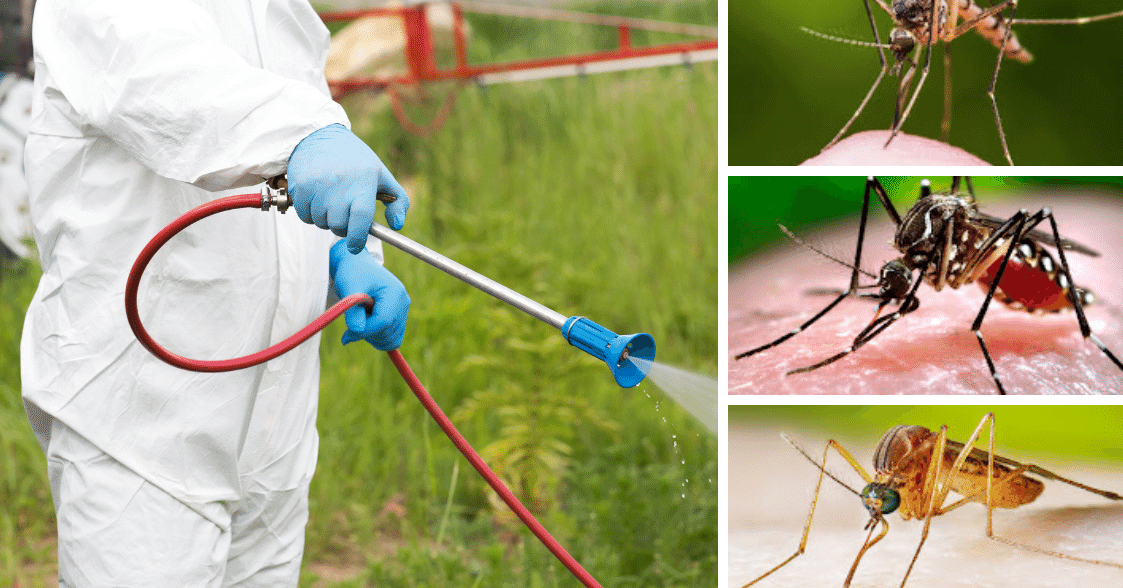
Effectiveness: Traps vs. Repellents in Different Settings
When you compare traps and repellents across different settings, the right choice hinges on where you are, what species you’re targeting, and whether you need individual protection or area-level control. In urban settings, traps can reduce local mosquito populations when deployed strategically (e.g., near breeding hotspots), but their impact is limited by surrounding sources and species like Aedes aegypti that rest indoors; personal repellents provide reliable individual protection outdoors and inside. In rural settings with widespread breeding sites, traps require scale and maintenance to be effective; repellents still protect you directly but won’t lower community populations. Choose traps for community-level reduction when logistics and monitoring are feasible; choose repellents when you want immediate, portable protection against biting regardless of wider environmental variables.
Health and Environmental Considerations
Although both traps and repellents reduce mosquito bites and disease risk, they differ sharply in health and environmental trade-offs you should weigh. You’ll want options that protect you without harming air quality or non-target species, and that fit your values around habitat restoration and biodiversity.
- Traps: target mosquitoes, lower chemical exposure, preserve air quality, but can catch beneficial insects if misused.
- Topical repellents: DEET/icaridin are effective and safe when used per guidelines, though some people prefer avoiding chemicals.
- Spatial repellents: can affect indoor air; choose tested formulations and ventilation practices to minimize inhalation risks.
- Ecosystem approaches: larval source reduction and habitat restoration reduce mosquito populations sustainably, supporting your freedom to live with fewer chemicals.
Cost, Maintenance, and Practicality for Home Use
Health and environmental trade-offs also show up in the money, time, and effort you’ll commit to mosquito control at home. You’ll weigh upfront cost and ongoing expenses: traps need electricity, attractant refills, and occasional repairs; repellents demand regular purchases and reapplication. A clear budget comparison shows traps are pricier initially but can lower per-season costs if you maintain them; repellents are low-entry but accumulate over time. Maintenance-wise, traps require periodic emptying and cleaning; repellents need no mechanical upkeep but require disciplined use. Practicality depends on your routine and space: consider storage solutions for refills, batteries, and spare parts, and choose the method that preserves your freedom without hidden time drains.
Combining Strategies: Creating an Integrated Mosquito Plan
You should set up layered protection zones—personal repellents for immediate contact, spatial repellents or traps at entry points, and barrier treatments around perimeters—to reduce overall bite risk. Time your measures so peak-repellent periods and trap operation overlap mosquito activity peaks (dusk and dawn) for maximum effect. Maintain and monitor devices regularly, recording catches and product replacement dates to adjust timing and placement based on measured results.
Layered Protection Zones
Because no single method stops all mosquitoes under every condition, an integrated plan layers different tools to match risk zones around your property. You’ll create buffer zones and staggered barriers: traps near breeding sites, repellents at human-occupied edges, and targeted sprays for dense vegetation. Define core, activity, and peripheral areas by use and mosquito pressure, then assign methods that maximize protection and minimize constraints on your movement and freedom.
- Core: indoor/bedroom — use physical barriers (screens, nets) and localized traps.
- Activity: patios/play areas — apply topical repellents and spatial repellents when occupied.
- Perimeter: yard edges — place attractant traps to reduce population.
- Vegetation: dense plantings — conduct focused larval source reduction and barrier treatments.
Timing and Synchronization
When different tools are deployed at the right times and in coordination, they multiply each other’s effectiveness rather than just adding up, so plan interventions around mosquito biology, human activity patterns, and seasonal trends. You’ll focus on deployment timing: place traps before peak emergence, schedule repellents for high-use hours, and align public-use measures with local biting cycles. Use seasonal synchronization to shift intensity—ramp up source reduction and trap density ahead of rainy seasons, scale back to maintenance afterward. Base decisions on surveillance data and known life cycles to reduce unnecessary constraints on your activities while preserving freedom to use outdoor spaces. This coordinated timing lowers overall mosquito abundance and exposure more efficiently than isolated actions.
Maintenance and Monitoring
Although effective deployment gets you started, ongoing maintenance and monitoring are what keep an integrated mosquito plan working over time. You’ll schedule regular inspections, perform sensor calibration, and verify trap function so devices stay reliable. Data logging gives you objective trends to adjust placement and timing, and you’ll act on anomalies quickly to prevent lapses.
- Inspect traps weekly: clean components, replace lures, note physical damage.
- Calibrate sensors monthly: follow manufacturer steps, log adjustments, confirm readings against a reference.
- Review data logs biweekly: analyze capture rates, correlate with weather, adapt strategy.
- Document interventions: record maintenance, outcomes, and policy changes to refine the plan and preserve your freedom to choose actions.